Showing posts with label environment. Show all posts

Tuesday, December 21, 2021

Worthwhile Goals for the Garden in 2022

 So much fuss is made about new years eve resolutions and honestly, does anyone EVER keep them? Anyone? So, lets do away with them for now and instead look at a few smaller, doable goals for you and your garden. You don't have to give up junk food to have a great year, here are some goals that you will actually enjoy. 

Not a looker but this is a free and functional compost pile.


1. Visit at least one public garden. Longwood Gardens is my happy place. I usually visit there with my good friend Liz Chen so its a double dose of happy. But there are public gardens all over the place and visiting a quiet area to enjoy the beauty of nature is good for you on so many levels. 

2. Help someone with their garden. Gardening is an awesome hobby in and of itself but it's even better when it's shared. Perhaps a neighbor or friend is interested or in over their heads. If nothing else, volunteer at a local community garden. It's also very good for you!

3. Start a compost pile, or start feeding your compost more. Composting is the most brilliant way to help the earth by keeping stuff out of landfills and helping yourself by creating awesome soil amendments for free. My husband made my compost bin with some old pallets we got for free but there are options for any living arrangements.  Click here for some ideas. For me, this year I'd like to be more mindful of composting stuff that normally gets thrown out, like paper and cardboard. More goodies for my garden and less trash for the garbage truck. 

4. Learn to grow a new plant. No one is too young or too old to learn something new. Continuing education is a great way to keep your brain young and there are always new things to learn in the garden. This year, I want to grow turnips and pop corn for the first time. Pick something new and read up on it before Spring. You can also do this with your kids to make it a family project. 
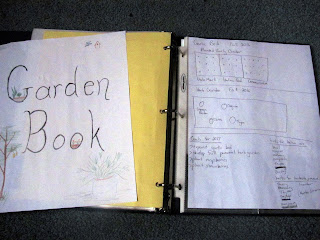
My very own gardening notebook. 

5. Cut back on your use of chemicals in the garden. Most of us who garden for personal reasons (i.e. not farmers) really don't need to use pesticides or artificial fertilizers. Take stock of what you normally use and look into either organic alternatives or just doing away with them. Even small steps in the right direction will benefit the ecosystem of your yard. 

6. Start keeping a garden journal. Taking notes about what works and what doesn't, what happens in your yard and when, and ideas for the future is definitely a great idea! You can do this electronically or in an old fashioned notebook. You can make entries when you want to. But it's good to look back on it. 

Do any of these sound like a good goal for you? What are your garden plans for the new year? Be sure to comment below!

Thursday, September 23, 2021

Gardening and Your Greater Environment

My daughter at a local park in the fall. 
Knowing your seasons and local plant life
can be beneficial to how you garden. 
 This year I had the enjoyment of listening to an audio book called "My Garden World" by Monty Don. He goes into great detail (in a very amusing and easy to listen to way) about the natural world surrounding and invading his garden. If you have a garden, then there are many aspects you can control but also many, many influences from outside your garden that you can't do anything about. The more you understand these natural forces, the more you can work with them and experience greater success. 

First, and probably the one we're most familiar with is temperature and length of growing season. Everyone should know their climate zone. (If you don't, you can find it here). This will tell you when average last and first frost dates are and also how hot it gets in the summer and how cold it gets in the winter. You can't begin to chose good plants for your garden if you don't know your zone. I could try to grow oranges and avocadoes but it would not go well for me. 

Second, know what your soil is like. The easiest way is to get a soil test from the local Extension Office. This can tell you how much clay or sand you have as well as nutrients. Soil can be amended and improved of course but it helps to know what your starting out wi
th. My soil is hard clay so I know if I put in shrubs that need really good drainage, then I'm gonna be in trouble. 

Third, what kind of rain fall do you get? If you live in a wet environment then your climate will be different than those in the south west even if the temperature is the same. Were I live, we tend to get plenty of rain in the spring and early summer before a dry July, August and September. Not that 2021 has been that way. You can find information on that here. 

Fourth, what kind of wildlife do you have around you? Squirrels, hawks, insects, deer, rabbits, and so much more can and will end up in your yard and garden. Be observant! Fortunately, we don't have too much trouble with rodents in our garden partly because we've seen lots of hawks in the area. We've found 2 dead rabbits in our back yard that were obviously eaten by hawks. Wild life does impact your garden but it's also nice for it's own enjoyment as well. 

Finally, (at least for this post) know what kinds of garden pests are in your area. Your can tell you what insects and diseases they struggle with the most so you can be prepared. Powdery Mildew is a given where I live. The only question is how early and how strongly it will come on. I know this so I can look for powdery mildew resistant varieties of plants and take other steps to minimize it. 

So you see, knowing the bigger picture of the natural world around you can really make you a better gardener. What have your learned about your particular corner of the world? Feel free to post in the comments below. 


Tuesday, March 16, 2021

In Defense of Goldenrod

 Whew! I was afraid that with a title like that, NO ONE would ever read this post. Thanks for checking it out anyways. Goldenrod, genus Solidaster, plays a vital role in our Pennsylvania ecosystem and I want to encourage everyone to plant some on their property. Yes, on purpose.

First off, I know what you're thinking and NO, goldenrod does not affect your allergies. At least, not any more than any other flower. You see, in nature, goldenrod grows alongside ragweed which is far less conspicuous. So the rag weed, which is wind pollinated, does all the damage while the goldenrod gets all the blame. Don't let your allergies keep you from planting this important flower!

Why is goldenrod so important? In Pennsylvania, over 120 species of butterflies and moths benefit from it either as a food source or a place to lay eggs. So you're automatically supporting a bunch of native pollinators.

Also, all those butterflies laying eggs creates lots of caterpillars. Yes, I know you don't like caterpillars but not all of them are bad. In fact, they provide essential food to our song bird population. In his book, "Nature's Best Hope" Doug Tallamy points out that even se
ed eating birds like chickadees and finches need soft food to feed their young - hence, caterpillars.
In fact, they need thousands of them. Planting native flowers, like goldenrod, will provide lots of food for songbirds in your yard. 

Finally, goldenrod also makes a lovely filler flower for fall bouquets. Most florists will have it shipped in from out of state to include in fall arrangements but you can grow your own in your backyard. 

Perhaps you're worried that any goldenrod plants will look like weeds to your neighbors but a thoughtful planting mixed in with other flowers like sunflowers and asters can create a beautiful autumn display. 

I hope this post has gone a long way towards dispelling goldenrods bad reputation. Please do consider buying some plants at a local native flower nursery to support both pollinators and songbirds in your area. 

Friday, January 1, 2021

Why You Should Garden in 2021


 Happy New Year everyone! If you haven't already jumped on the gardening bandwagon, then this is the year for you to start. There are several reasons why this is a great year to try it out. Don't be discouraged if you don't think you have a green thumb or if you've had failures in the past, I'll be writing lots of tips to help you have more success in the future. Anyways, here's why 2021 is your year....

1.  Gardening is great for your physical health. The most common new years resolution is to lose weight. However, with many gyms shut down or requiring masks (I'm all for wearing masks in public but it's really uncomfortable while exercising) you might be wondering how you'll burn those calories. Don't worry! Gardening provides both strength training and cardio as well as fresh air and sunshine. Also, assuming you're at your own home, no mask is required!

2. Gardening is great for your mental health. I think we can all agree that 2020 has caused a lot of anxiety and frustration and its important to work through all that. If you can access a therapist, that's great. However, just getting outside to work in the soil and enjoy nature does wonders for your mental and emotional well being. You can read more about that here. 

3. Gardening can improve the quality of your families diet. You're going to be much more apt to eat fresh veggies and fruit if you can walk out your back door and pick them. Also, kids are more likely to try veggies if they have helped grow them. If you're in the group of people pledging to be more healthy this year, then gardening can help!

4. Gardening can help make up for food shortages. Look, I am not a doomsday prepper in any way. However, given the wildfires out west, covid related food distribution issues, and people hoarding at the grocery stores, sometimes you can't get the food you want. Recently there was a shortage of fresh lettuce and I wasn't aware of it for months because I've been getting all my lettuce out of the garden for months.  Growing all your own food is pretty hard core but we can all grow some.

5. Gardening is good for the environment. The first thing people stop thinking about in a crisis is the environment but protecting our precious earth should always be on our radar. Assuming you're not using a lot of toxic pesticides (and you shouldn't be) then growing your own food and creating a more biodiverse environment in your yard is great. You can plant a native oak tree to provide nesting for birds. You can plant milkweed to provide food for Monarch butterflies. Just growing your own food organically means fewer pesticides and less carbon emissions from transporting the food. 

Well, if that's not enough to get your thinking about it, I don't know what is. What are your gardening goals for 2021? Feel free to comment below. 


Wednesday, July 29, 2020

Water

As I write this post, we're in the middle of the hot, dry season here in south, central Pennsylvania. It's a time of year when all of us gardeners are very conscience of the necessity of water and making sure our plants are getting enough. Although some need it more than others and may get it in different ways, there is no plant on this Earth that can live without water. Understanding how water effects your garden is essential to garden success.
Idea for a future water feature? Just kidding, this is the Italian water
feature at Longwood Gardens. 

Those of us east of the Mississippi River tend to have plenty of water (July and August excepted) while those on the western side struggle greatly with drought issues. I only have experience gardening here in the east so things like Xeriscaping (landscaping for dessert and low water climates) is not my forte.

Here are some gardening hacks to help you with water in your garden.

First, as a rule of thumb, people tend to over water plants indoors and under water plants outdoors so be aware of your natural tendencies.

Second, few plants enjoy standing water so be sure all your plants have good drainage. You can do this by making sure there are holes in the bottom of any pots your are using and not placing your garden in an area where water tends to puddle up after a rain. If all of your property tends to be water logged, then you'll need to put in raised beds to encourage drainage. Standing water will rot roots and there isn't any way to fix a plant after that has happened.

Third, in hot weather like this, regular watering is essential. I water my window boxes every morning.  It helps to build your garden near your outdoor spigot to make hose watering easier.  A lot of professionals will encourage you to use soaker hoses or special watering systems to minimize water usage. It's a great idea if you want to invest the money into it. I haven't done so.

Fourth, your garden plants actually don't want to get their leaves wet as this can encourage mold and mildew. When you water plants, try your best to avoid the leaves and just soak the soil. 

Fifth, small trees and shrubs do best when watered deeply about once a week. If it hasn't rained in some time, I will take a 5 gallon bucket of water for each new tree or bush I have. After a few years, your plants will be well enough established that you shouldn't need to worry about it.

Sixth, know your soil type. Sandy soil drains much quicker than clay so if your soil is sandy, your plants may need more frequent watering. 

Finally, don't water your plants in the afternoon. The sun will just dry it out quicker. Joe Lampl, host of Growing a Greener World and the Joe Gardener Podcast, says the best time to water your garden is first thing in the morning before the dew dries off. 

I hope these tips help you understand water in your garden better. Lots has been written on the importance of water conservation but that's a whole different discussion. I could also do a post on water features or how water attracts wildlife but there isn't room here. Do you have any gardening water hacks? Feel free to share in the comments below.