Showing posts with label Garden. Show all posts

Tuesday, January 24, 2023

Chanticleer Gardens

 Winter is a great time for planning trips. Last year I got to take a fabulous trip to visit multiple gardens in the greater Philadelphia area. My favorite of the trip was Chanticleer Gardens in Wayne, PA. (I am receiving no money for this post) If you enjoy public gardens at all, then you should make this one a priority! The estate is very large and entrance fees are minimal. 

The Japanese Garden, Vegetable Garden and Dry Gardens were all lovely and interesting but nothing compares to the view from the house patio. The English landscape garden is just stunning. 


Not far from their is the formal planting where the swimming pool used to be. So much detail goes into such a lovely garden with such a variety of plants and water features. 

You can also enjoy multiple trails through the woods and enjoy the shade plantings like I did with my friends Jewell and Elise. 

In addition to this, there are green houses, a fake "ruin" (or folly) near the dry garden, and other plantings I've not mentioned. It's absolutely worth the drive. For more information, check out their website at https://www.chanticleergarden.org/. 

What public gardens do you enjoy visiting? Feel free to write about it below. 


Thursday, January 12, 2023

Enjoying Your Garden In Winter Part 2

 In my last post, I wrote about identifying the best areas to focus your winter gardens. After all, there's no point in putting lots of beautiful plants out back where you'll never notice them. Now I want to get your brain thinking about all the different things you can add to your landscape to add winter interest. You'd be surprised how many options you have. 

First is the most obvious - evergreens. However, do you realize what a large variety of evergreens there are to work with? You can have a variety of needled plants like pine and spruce or wide leaf evergreens like holly or rhododendrons. Evergreens come in lots of colors too from limey chartreuse green to blue junipers to variegated bushes. You can also get a wide variety of shapes from small, ground hugging plants to enormous hemlocks. You can achieve a lot of interest and variety with evergreens alone. 

That's just the beginning though. Many plants produce colorful berries in winter from bright red winter berry, to blue juniper to purple beauty berry. As a bonus, many birds enjoy these berries and will come to your yard for them too. Pay attention at the garden center when buying plants because many of these plants require a male and female plant to have berries. 

You can also be thinking in terms of plants that


Winter Aconites at Longwood

have lovely bark in winter.
Red twig dogwood is very popular for this reason but you can also enjoy white birch trees or some ornamental cherries. 

I am not one for a lot of artificial décor in the garden but in winter, simple pieces of statuary or décor can go a long way. Pots can be filled with cut evergreens all winter. Bird baths can also attract birds when not frozen over. 

Finally, think in terms of bringing Spring early. Plants like hellebore, crocus, winter aconite and witch hazel can bloom as early as February and bring the first taste of spring. Last March I was really impressed with how lovely the outside landscaping looked at Longwood Gardens and there's no reason you can't have some of those plants yourself. 

Is that enough to get your creativity flowing? You too can have a lovely winter garden in your own yard and escape the winter blues. Feel free to share any of your winter growing tips in the comments below. 

Monday, December 5, 2022

Enjoying Your Garden In Winter Part 1

 Winter is absolutely the low point of the year for gardeners. It's our time of rest and dreaming/planning. However, if you derive physical and mental health benefits from your garden, then loosing all of it for several months can be difficult. I've been thinking about this lately and how I can still get some enjoyment from my garden even in the cold dark months. Here are some ideas I've had to enjoy the landscape as much as possible, even if you live in the north like I do. 


First, consider your views out the window. Even the most enthusiastic snow bunny will spend more time indoors in the winter. What do you see out your windows? Sit in your most comfy chairs and observe what you can see outside. Perhaps you may wish to move your furniture so as to enjoy the outside more. 

Second, can you create a walking path outside? Even a smaller yard like ours would lend itself to a circular stroll. Even here in PA there are some nicer days in the winter when I can bundle up and enjoy a walk around the garden. 

Third, eventually I'd like to improve our outdoor fire pit to encourage winter use. On the unusually warm day you can have a bonfire outside and drink warm tea. 

Once you have identified the areas of your garden are most visible in the winter and would bring the most enjoyment, then you need to identify unpleasant things to be removed or covered. Maybe you still have fall pumpkins out rotting that need to go in the compost. If you're like us, you probably still have children's summer toys lying around, or some trash that has blown about. Give things a clean up. If you have an ugly view that needs to be covered up, start thinking about how you can do that. 

After you've gotten the problems taken care of, you're ready to add in beauty. How to do that? Well, that's in part 2! How do you enjoy your garden in winter? I'd love to hear your ideas. 

Tuesday, October 18, 2022

Helpful Hints for Cool Weather Crops

 You can grow lots of yummy vegetables in the Spring and Fall like lettuce, spinach, kale, peas, cabbage, and kholrabi to name a few. However, as I myself am still learning, there are some helpful


tricks to ensure gardening success and I want to share with you some of what I'm learning first hand. 

It's super important to know your climate. If you live in the North wear temps rarely, if ever get over 90 degrees, then you can grow cool weather crops all summer, no problem! If you live in the South were it rarely gets below 20 degrees in the winter, then you can grow cool weather crops through the winter. However, if you live in the middle like I do (Zone 6b) then both the winter and summer are no good for cool weather veggies. The ideal time to be growing them is April - June and Sept - October and that can be tricky since many of these veggies need more time to grow. Here is how you can get around that. 

First, go for faster growing varieties. You'll notice that on the seed packets, it will tell you how long it takes to grow. Be sure to pick out the varieties that have the fewest "days to maturity". 

Second, consider buying seedlings from the nursery. I know, I hate spending the extra money too and would rather just use seeds but to get a plant to maturity in the days we have available, it would really help you out. 

Third, conversely, you can set up a seed starting station in your house to grow your own seedlings. This will require special grow lights but the investment could be worth it over time. In the summer, I started fall crops outdoors in the shade in a container. It worked great until the slugs found it. So next year I'll try again with some slug repellant. 

Fourth, you'll need to start some fall crops in July while it's still hot. I always plant them near my hose so it's easy to keep them well watered which will help them combat the heat. I also mulch them as soon as they're about 4 inches tall to help keep the soil cool. Some people also use shade cloth which would help as well. 

Finally, you can also extend the growing season in the fall by mulching around your plants or covering them with a clear covering. 

Harvesting fresh veggies in the fall and winter is very rewarding. It's worth the extra effort to make it happen. What do you like growing in the Spring and Fall? Feel free to write in the comments below!

Thursday, September 15, 2022

How to Extend Your Vegetable Garden Into Fall

 Recently, a relative said to me, "Your garden is about done, isn't it?" Readers, it's mid-September here in York County, PA and I am by no means, done. If I'm done harvesting food before Christmas, I'm going to be disappointed. Now, the point of this post isn't to brag but to let you know, you can have a productive vegetable garden all through fall too! Fresh, homegrown vegetables are delicious and so healthy so spreading out the amount of time you get them is a total win! Here are some things to think about. 

My garden in Mid September

1. Pick the right variety of plants. One of the main culprits of the season ending is that you're plants are either A) varieties that set fruit and die or B)highly susceptible to disease which they get and die. Knowing that, look for varieties of indeterminate tomatoes that will continue to produce until frost. Especially look for disease resistant varieties. I love my Martha Washington Indeterminate tomatoes which are still going strong and I've not sprayed them with anything all summer. 

2. Practice succession planting. I'm harvesting green beans this week because I planted more in the middle of July. You don't have to plant a lot, just a small patch here and there to continue harvesting for fresh eating. Some plants need too much time before harvest to do this but many, such as green beans and zucchini grow quickly and lend themselves to multiple plantings. 

3. Include some vegetable varieties that shine in fall. This is the time of year for pumpkins, winter squash, pop corn, Brussel sprouts, dried beans and more. Some vegetables take a long time to grow but it's worth it when fall comes and you're still hauling in delicious food. It's especially worth in February when you can get a winter squash out of your basement and enjoy the yummiest soup ever. 

4. Embrace cool weather crops. All brassicas (cabbage, broccoli, cauliflower, kale, etc) love cooler weather. Spinach, peas, lettuce, carrots, and turnips love cooler weather. For more info on growing them, check out this link. 

5. Finally, stay on top of things. If you've kept on top of the weeds, watered when necessary, mulched as much as possible, harvested veggies instead of letting them rot on the plant (like my next door neighbors) and removed diseased material out of your garden through the summer, you are in a great place to relax in the fall. I'm only really out in the garden a few times a week this time of year and getting a lot out of it. 

So there you are, you can totally do this and maximize your vegetable returns. How is your fall garden? Feel free to comment below!

Monday, August 22, 2022

My End of Summer Update

 One of the hard parts of writing a gardening blog is that the time of year I have the most to write about and people are the most interested in reading it, is the time I am most busy and have a hard time getting to it. Sigh. It can't be helped. Here, in picture form, are some things I'm working on right now. Hopefully, it will give you some ideas of your own. \

My strawberry yields have been going down hill the last few years so I completely re worked the bed, adding a lot of compost. The plants should have a few months to adjust before the frost. 

Zucchino Rapicante Squash. A big success this year. Tastes just like Zucchini but with now squash vine borer. I'm switching over completely next year. 

Like my strawberries, my raspberries are in great need of an overhaul. However, the best time of year to move them around is March so I'm waiting. Actually, right now I'm picking and eating. 

A failed experiment. I tried growing buckwheat as a cover crop around my zucchini to fool the bugs but it didn't work. My squash is still alive because I have other tricks to keep borers away. 


My first time growing leeks from seed. 


Brian had great success with his black beans this year. 


SO what have you been up to in your garden? Feel free to write about it below!


Wednesday, July 6, 2022

The (Bad) Bugs of Summer

 If only gardening was as easy as planting a seed and harvesting yummy food. Unfortunately, there's a bit more to it then that and one of the major culprits are destructive bugs. Just to be clear, the vast majority of insects that you see in your garden are either beneficial or just hanging out. However, there are some you need to be on the look out for. Here are some common pests I've delt with and what I do. 

Japanese Beetles. The only good thing about them is that they only hand around a few weeks and only on certain plants. Thank heavens because they destroy all the foliage on what they do like while they're around. They like my raspberries, zinnias, apricot, almond, cherry, grape vines and apple trees. I just pick them off and put them in soapy water. I've heard Neem Oil will work too if you need it. 

Mexican Bean Beetle larva (top little yellow thing) and eggs. You'll find these mostly on beans. The will chew your plants up. I mostly look for eggs to smash but you can treat the larva with Insecticidal soap. Be sure to thoroughly clean up debris when plants are done so the bugs don't overwinter. 


Squash Bug eggs. Copper colored and always on the underside of leaves. If you see them, remove them or squish them. If they hatch out you'll have tons of little white bugs with black legs that suck the life out of your squash plants. Eventually, they turn into adults that look like an XL version of stink bugs. 

Tomato Horn Worm (This one is sporting parasitic wasp eggs). Keep an eye on your tomato plants for damage and then hunt down and destroy these caterpillars before they destroy your plant. They are voracious but I've had success just by picking them off and destroying them (with tongs mind you, I aint touching that!).

Last, but not least are the squash vine borers. I don't have a picture. You don't really see them so much as the damage they do. They are the worst bug on this list. A little moth lays and egg on the base of your squash stem. When the egg emerges, the larva chew into your squash vine and kill it. You can try to keep it from getting into your plant by covering the base of your vines in foil. You can also sprinkle Diatomaceous Earth around the base of your plants to kill larva as they hatch. If you see holes in the base of your vines you can stick a wire up them to kill larva. This year I'm experimenting with different varieties of squash and companion planting with cover crops. 

What bugs have you had problems with in your gardens? How did you handle it? Feel free to post in the comment section below. 


Friday, April 22, 2022

Identifying Vegetable Seedlings

 It's Spring! You've planted out some vegetable seeds and are anxiously awaiting their appearance. Some little plants emerge but are they your vegetables or perhaps weeds? Maybe you planted something but can't remember what. In either case, I thought some pictures might be helpful. Here are several pictures of vegetable seedlings from my garden with descriptions so you can know what you're looking at in your own beds. 

Carrot seedlings always have long, thin leaves.

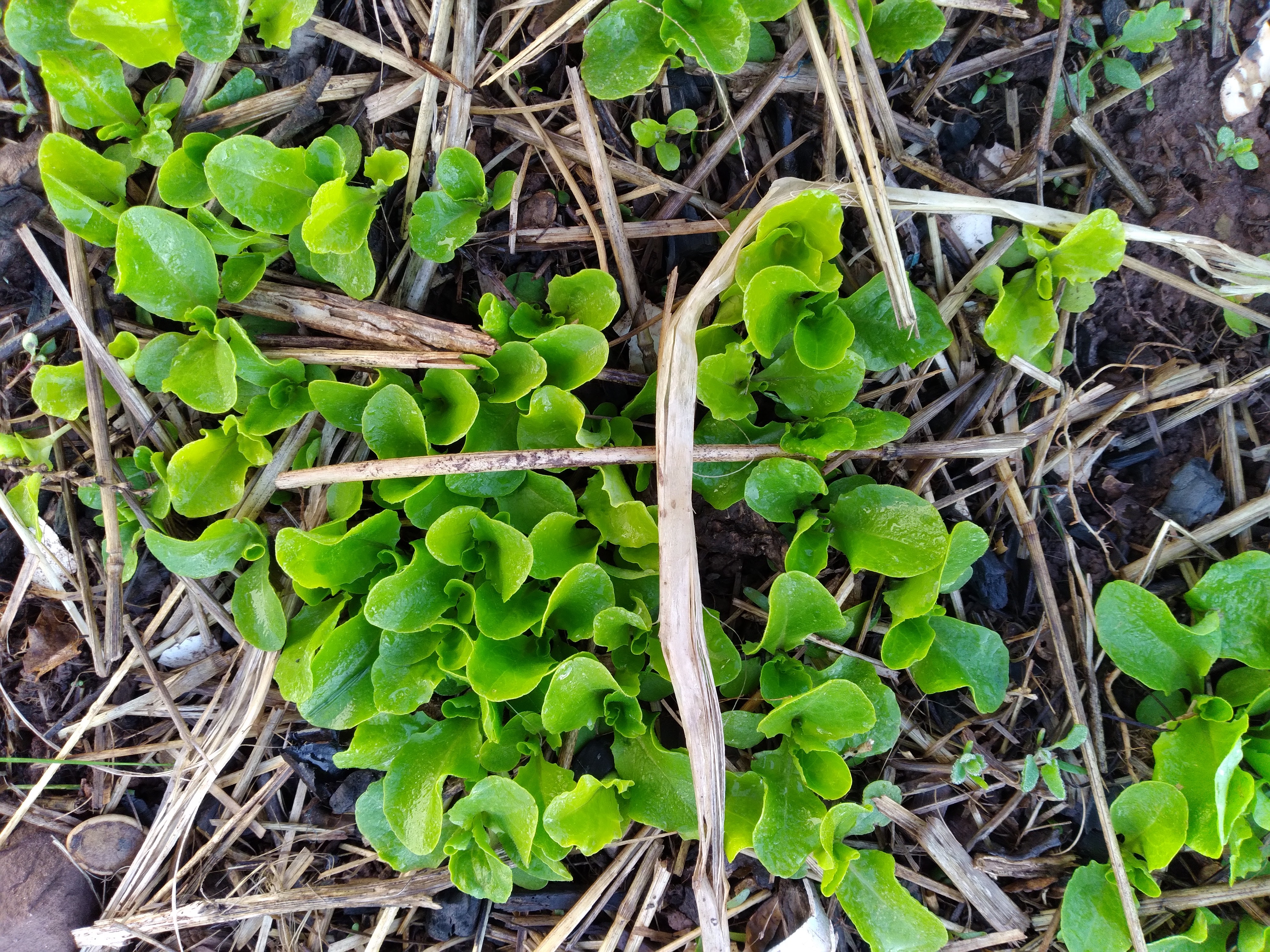
Lettuce seedlings in desperate need of thinning. 

Turnips

Onion seedlings. I'm growing them  to eat as green onions. 

Beets. Note the red stems. 

Kale

Spinach has long, thin leaves like carrots but a little thicker. 

Peas

Radishes. Note how their first two leaves are shaped like kidney beans. 


Monday, February 14, 2022

How to Grow Beets and Spinach

 Beets and Spinach may, at first glance, seem like two odd veggies to pare together but they are actually both from the chenopod or amaranth (depending on who you ask) plant family and have very similar growth requirements. I love growing both and cant imagine a veggie garden without them. They are both also very easy to grow from seeds. 


Both veggies are cool weather crops so here in York County, PA i can get two crops in a year: one in spring and one in fall. I only grow beets in spring but I'll get into that shortly. I sow seeds for both between St. Patrick's Day and the first week of April. Both are quick growing and can be planted in successions. That is, plant a few seeds every few weeks to keep a harvest going. Average soil conditions are fine but they do require full sun. 

Spinach is a great crop for cut and come again leaves as long as you never harvest more than 50 % of the leaves at any time. I love to blanch the leaves and then freeze them in ice cube trays for future use in soups, casseroles, pizza and eggs. Spinach plants will fizzle out in the hot July sun so pull them out and start again in mid to late August. If you plant enough, you can grow enough under a cold frame to keep you harvesting all winter. My all time favorite variety is Monstreux de Viroflay from Baker Creek Seeds because of the large yields but I've had good success with Bloomsdale Long Standing too which you can find anywhere. 

Beets can be eaten a few different ways. The greens are edible. Young leaves can be put right in salad. Older leaves are great steamed with a little vinegar on them. The roots are great roasted. However, my all time favorite is to pickle the beets and can them for winter eating. So yummy, especially when you soak hard boiled eggs in the pickling juice. You can get more information about that here. 

The downside of pickling beets is that it's TONS of work so I prefer to grow all my beets at once and have one big canning day a year. Although there are many kinds of beets to try, I'll admit to having only grown Detroit Dark Red because that's what my parents grew and I'm a little sentimental about it. Hannah is going to try Chioggia beets this year so that should be fun. 

Both Beets and Spinach are relatively pest free. I've never been tempted to treat them for anything, insect or fungus. However, rabbits do love to chew on both so I keep chicken wire fencing around both while they are young and especially tender. 

Have you ever grown these veggies before? What varieties to you like?

Sunday, February 6, 2022

More Peas Please!

Mature pea plants.

 My 7 year old daughter loves peas. I mean, LOVES peas. You don't even have to cook them, she will eat them raw. Now, if your kid who can be a bit picky loves a certain kind of vegetable, that's good reason to grow it, right? Fortunately, peas are really easy to grow. Here's how.

Peas are another kind of cool weather vegetable. They don't do very well in hot July weather. Here in York County, PA it's easy to grow 2 crops of them a year, once in spring and once in fall. It is important that you get them planted on time. The plants will likely die in the hot July sun and at a certain point in the fall, they will stop growing all together due to a lack of sunlight. So, in Spring I plant peas between St. Patricks Day and the first week of April, no later. In summer, the second planting goes in around the end of July or beginning of August. 

There are basically two kinds of peas, those you grow to eat the pods (snap peas or snow peas) and those you grow to eat the seeds (traditional peas). I grow mostly traditional peas since that's what my daughter loves but snap peas ripen quicker and are delicious. 

Pea seedlings
Peas don't require any special kind of soil. They aren't heavy feeders so I wouldn't worry about fertilizing them unless you soil is truly deplorable. Adding compost or other organic soil amendments (read, manure) is always a good idea. Their water needs are also typical. In the Spring, I don't need to water them but in the summer, as with all fall crops I'm trying to start, I need to water them frequently due to hot dry weather. 

What peas do need is structure. They grow up and do best when they have a fence, tee pee, or trellis to support them. I've even used tomato cages with good success. 

Finally, once your seedlings get to about 4 inches tall, as with most veggies, it's a great idea to mulch them with either shredded leaves, straw or even dried out lawn cuttings. This will help the soil retain moisture and will also keep down the weeds. 

That's really all there is to it. Peas are a great veggie for the beginner grower. Do you grow peas? What kind do you like? Feel free to comment in the section below. 

Saturday, January 22, 2022

Grow Your Own Carrots

 Carrots are a very popular vegetable. Most people eat them in one form or another and it's one vegetable even kids are willing to eat. My kid being a  big exception. Anyways, carrots are delicious raw, steamed, boiled or roasted. Even better, you can grow your own carrots twice a year! 

First off, carrots are cool weather vegetables so they grow best in the Spring and Fall. Hence, you can grow them twice a year. 

Secondly, carrots MUST be grown from see
d. You can't transplant a carrot because the root (the edible part) will be all messed up.
You can find carrot seeds just about anywhere in the spring but not in the fall so be sure to buy enough for both seasons. Spring is good for smaller sized carrots (fingerling, parisienne, danvers half long, etc) and fall is better for full sized carrots because they'll have longer to grow. 

Third, when you plant them, be sure to break up the soil well and remove all rocks. Then scatter the seed carefully and cover with a thin layer of soil. Remember, they can't be transplanted and they will HAVE to be thinned so don't over seed them. Keeping the soil damp in the Spring shouldn't be a problem but it will be difficult in the fall. In York county, PA where I live, fall carrots should be planted the end of July so getting the seeds started and keeping them damp is a challenge. 

Fourth, carrots are notorious for taking a long time to germinate. Give them at least 2 weeks before giving up on them. Honestly though, I've never had trouble getting carrots to germinate in spring or fall. You just need to be patient. 

Fifth, when the seedlings are around 2-4 inches tall you HAVE to thin them. Each carrot needs at least 1 inch of personal space or the roots can't fill out. 

Sixth, not only is hot summer weather not good for carrots to grow in, it also brings bugs. I always pull all my carrots out by the end of June no matter what because if I leave anything in the ground, the bugs will chew it up. I've not had that problem in the fall and can leave the carrots in the ground until January if I wish. 

And that, my friends is all there is to it. I've never had to treat any pests or diseases on carrots in my garden, just so long as I don't leave them in all summer. Also, fun fact,  carrot leaves make nice greenery in cut flower arrangements. So try growing your own carrots! You can totally do it. Feel free to comment about your experiments with carrots in the comment section below. 

Tuesday, October 12, 2021

Yes! You Can Still Enjoy Your Garden!

 I've had several people ask me if I was still gardening this year. Of course, my answer is yes! Fall days are glorious and it seems a travesty to stay in doors when winter's chill will truly limit our outdoor time so soon. Gardening has been shown to have a multitude of benefits for your physical and mental well being. You don't have to give that up just because your tomato plants succumbed to disease or even if a light frost has taken out a lot of your plants. Here are some great ways to enjoy your garden in October. 

I just got these two beds cleaned up and mulched 
last weekend.
First, there is nothing wrong with just sitting and relaxing in your garden. Every garden should have some seating, even if it's just a bench. Or, you can bring out a blanket with your favorite book and some hot tea. So relaxing!

Second, if you fancy doing some work out there, not is a great time to clean up your vegetable beds and mulch them for winter. Be sure to especially get rid of anything with diseased material. I'm doing a mix of cover crops and mulching with my compost and then straw or leaves. Bare soil over winter will be leached of it's nutrients and beneficial organisms. Always cover your dirt. 

Third, if you planted some fall crops last summer like I said too, then you should still have plenty of veggies to be picking. I've got lettuce, kale, spinach, kohlrabi, carrots and peas all going at it.  Yum!

Fourthly, now is a great time to plant your garlic for next year. You can learn how to do that here.  You can also plant your bulbs for spring flowers in November. This

Peas love the cooler, Fall weather.


includes crocus, hyacinth, tulips, alliums and daffodils. 

Fifth, there are a multitude of flowers that bloom in the fall that make for lovely displays as well as cut bouquets inside. I still have zinnias, nasturtiums, yarrow, cup and saucer vine, solidaster, toad lilies, Iris, and lavender in flower in my yard. If you don't have any flowers now, look around your neighborhood to see what looks good and be sure to add it somewhere next year. 

Finally, be sure to rake up your leaves this fall. Leaving your leaves on the lawn will smother it and piles of leaves are also a haven for ticks. Put the leaves where they belong - on your vegetable bed. 

See, there is no reason you can't still be enjoying your garden this month. So, get out and enjoy it! 

Thursday, September 30, 2021

Gardening: When You Don't Accomplish Your Goals


Fall is the best time to step back and evaluate your garden. Every year I start out with big goals and some happen and some don't. The 17 year Cicadas put a big hole in all my plans involving fruit trees. However, the veggie garden did well. Too well, in some cases. The point is, rarely do people achieve all of their goals for a particular year and if you're feeling bad about it, don't. It's normal. Life happens. I think when Covid first hit, many people (based on the number of fruit trees and shrubs that were sold out) had major ambitions for growing their own food. That's awesome until you give up under the weight of completely unrealistic expectations. 

So, not that it's (almost) October, take stock in what didn't get done. We didn't get a rain barrel hooked up this year. We didn't get a new collapsible cold frame. Why didn't your goals get done? Do you still feel they are important goals? What needs to happen to achieve them next year? For me, finances and time are the biggest obstacles. 

Gardening isn't about failures and mistakes - just learning opportunities. So don't feel down on yourself. Just take some time to rest, reevaluate and gear up for next year!

Thursday, September 23, 2021

Gardening and Your Greater Environment

My daughter at a local park in the fall. 
Knowing your seasons and local plant life
can be beneficial to how you garden. 
 This year I had the enjoyment of listening to an audio book called "My Garden World" by Monty Don. He goes into great detail (in a very amusing and easy to listen to way) about the natural world surrounding and invading his garden. If you have a garden, then there are many aspects you can control but also many, many influences from outside your garden that you can't do anything about. The more you understand these natural forces, the more you can work with them and experience greater success. 

First, and probably the one we're most familiar with is temperature and length of growing season. Everyone should know their climate zone. (If you don't, you can find it here). This will tell you when average last and first frost dates are and also how hot it gets in the summer and how cold it gets in the winter. You can't begin to chose good plants for your garden if you don't know your zone. I could try to grow oranges and avocadoes but it would not go well for me. 

Second, know what your soil is like. The easiest way is to get a soil test from the local Extension Office. This can tell you how much clay or sand you have as well as nutrients. Soil can be amended and improved of course but it helps to know what your starting out wi
th. My soil is hard clay so I know if I put in shrubs that need really good drainage, then I'm gonna be in trouble. 

Third, what kind of rain fall do you get? If you live in a wet environment then your climate will be different than those in the south west even if the temperature is the same. Were I live, we tend to get plenty of rain in the spring and early summer before a dry July, August and September. Not that 2021 has been that way. You can find information on that here. 

Fourth, what kind of wildlife do you have around you? Squirrels, hawks, insects, deer, rabbits, and so much more can and will end up in your yard and garden. Be observant! Fortunately, we don't have too much trouble with rodents in our garden partly because we've seen lots of hawks in the area. We've found 2 dead rabbits in our back yard that were obviously eaten by hawks. Wild life does impact your garden but it's also nice for it's own enjoyment as well. 

Finally, (at least for this post) know what kinds of garden pests are in your area. Your can tell you what insects and diseases they struggle with the most so you can be prepared. Powdery Mildew is a given where I live. The only question is how early and how strongly it will come on. I know this so I can look for powdery mildew resistant varieties of plants and take other steps to minimize it. 

So you see, knowing the bigger picture of the natural world around you can really make you a better gardener. What have your learned about your particular corner of the world? Feel free to post in the comments below. 


Monday, September 6, 2021

The Importance of Thinning Seedlings

Pea seedlings before being thinned.
 One of the most unpopular gardening jobs has to be thinning seedlings. Sweet, sensitive souls don't want to hurt their babies. The seedlings look so good right now! Why kill perfectly good plants? I hate to break it to you but proper thinning is absolutely essential for garden success. For those of you who grow fall greens (and you should), now is a pertinent time to be thinning your seedlings. 

What do I mean by thinning? Well, when you plant seeds you almost always plant more than you need. There is no guarantee that all of your seeds will sprout into plants so you plant more than you need. Hence, you also end up with more seedlings (baby plants) than you need. Therefore, you must thin them out to the spacing recommended on the back of the seed packet. 

But Why?

First of all, plants cannot grow any further if there is literally no room to grow. Picture how big the plant will be at full size. Most seed packets will have that information listed. The diameter of a large carrot is over an inch thick but if you have six carrot seedlings per square inch, clearly there is no way any of them have space to get to a decent size. Vining plants like cucumbers and melons need several feet to spread so must be spaced even further. 

Pea seedlings after being thinned. 
Second, there are limited resources in any soil. No matter how good your garden soil is, it can only hold so much moisture or nutrients. If your plants are too close together, then they will be fighting for the same resources. Instead of a few healthy plants thriving, you have a mass of plants on starvation rations. This is even more true in the fall when sunlight is more scarce than the spring or summer. 

Finally, air circulation is absolutely essential to preventing mold and fungus on your plants. (Fungi thrive on moist conditions) but there can be no air circulation if your plants are jammed together. If you fail to thin your plants out than your just asking for mold on your plants. 

The good news is, thinning is easy to do. Also, seedlings like spinach and kale can be replanted (carefully! don't let them dry out till established!) so they won't go to waste. You just can't do that with carrots because the roots will be messed up. 

Good luck with your garden!


Thursday, August 26, 2021

What to do in your garden in late August

It's Sunflower Season!
 One of the most frustrating things about writing a gardening blog is that the time of year people are most interested (summer) is the time your are most busy with what you're writing about (gardens). It's also the time of year when my lovely daughter is home from school so I'm looking after her. She likes to help in the garden for a few minutes at a time. Maybe when she's older. 

I didn't mention seed saving but now's the time for that.
Green bean seeds, like these, are a great place to start. 
Anyways, now that she's back in school I have more time to write and I thought now would be a great time to update you all on my garden and what you can be doing in yours. After the awful cicada apocalypse, it  ended up being an awesome year for vegetables. Spring veggies were delicious and prolific. I've had more tomatoes, zucchini, green beans and melons than I know what to do with. So it's been a great year for my neighbors too. I think one of the leading reasons for this is my soil. My ground soil is terrible but my raised beds have been established for a few years now so the more organic matter I keep adding, the better the quality. I also invented a new fertilizer mix that I might share some time. 

How about you? We've had lots of rain this august so if you've got a lot of fungus in your garden, it's no wonder. You can find more information about dealing with that here.  If your plant is no longer producing fruit and is covered in fungus, then remove the whole plant from your garden. Unfortunately, unless you are a composting expert who keeps track of compost temperatures, then you shouldn't compost your diseased plants as the fungus will linger and spread. I throw them out in the trash. If you've gotten a decent harvest from a plant already, then don't feel bad about loosing the plant. All plants die eventually, it's just part of the garden. Clearing out the plant can make room for new things...

It's also canning season which is not my favorite gardening 
task but I do love the canned goods later!
This leads me to the next thing you can do which is plant fall leafy greens. It's probably too late for carrots or peas but you can still start lettuce, spinach, and kale from seeds and have delicious greens for the rest of the year! Just keep the seeds well watered in this hot weather. 

As the garden starts to wind down, it's also  a good time to plant cover crops. This is my first year trying this out and I'm planting crimson clover. It's a legume that should add nitrogen to the soil. When it starts to flower, I just weed whack the tops off and the plant will die down on the soil creating a natural mulch to keep weeds down and add organic matter. I'll update you all on that later. 

Finally, if you can't stay on top of the weeding, at least snap off the seed heads of the weeds to help prevent spreading. Your future self will thank you. I'd love to hear updates from your garden in the comments below!


Wednesday, June 2, 2021

Preserving Herbs

Rosemary, Sage, and Oregano tied in bunches
 My last post was about prioritizing in the garden. This is a great follow up as it's the best time of year to be harvesting your perennial herbs. 

First off, if you're into gardening but not into herbs, you're missing out on a great source of culinary wonderment. Nothing beats fresh grown herbs in the garden mixed in with your supper. For more information on herbs, check out this post. 

Right now we're talking about perennial culinary herbs like rosemary, oregano, chives, thyme, and winter savory. Late Spring/Early Summer is the best time to harvest them, before they go into flower. Just take a clean pair of scissors into the garden on a dry morning and selectively cut longer pieces being careful not to cut off more than a third of the plant. Then bring your cuttings in and give them a good wash in the sink. 

Thyme, rosemary and winter savory on a tray
Finally, I take the longer pieces and tie them in bundles to hang in the basement. Any cool, dry, dark place with some air circulation is best. The shorter pieces I place on a paper towel lined try to dry above my kitchen cabinets. Check on them a in a few weeks and when they are completely dry, place them in clean, dry glass jars with lids and labels. Don't crumple them up as that will release some of the flavor. I like to give them their last bit of crushing right before adding them to my food. 

A few special notes. First, don't bother drying chives as they will lose all their flavor. Chives are much better frozen. Second, basil also doesn't dry well. I'm going to try some experiments with basil this summer and I'll let you know what I find out. Finally, be sure to remove the leaves from the stems before eating. None of the stems are good. 

Do you like growing herbs? What do you grow and how do you preserve them? Feel free to write in the comments below. 

Thursday, May 20, 2021

What You Need to do in the Garden NOW

 Hello fellow gardeners! Sorry for the delay in posts. It being the busiest time in the garden for me, I've been too busy to write! In fact, I've been so busy that I've been over whelmed with the sheer amount of things to do outside. So I thought through what needs to be the top priority now that it's late May. Perhaps some of you are feeling like you don't know where to start in your garden so here is what REALLY needs to get done before Memorial Day. 


First, keep your seedlings and transplants well watered. We're having a dry and warm May and I've been out nearly every morning to keep my babies wet. Remember that seedlings have roots only a few inches deep so if the top 2 inches of soil dry out, your plant can wilt. Early morning is the best time to do this. 

As a side note, keeping those seedlings well mulched will go a long way to keeping the plants damp and cool. I've been using bark mulch in the front yard to look nice and half rotted leaves from last fall for the back yard and vegetable garden. Works great!

Second, any trees or shrubs you want to buy should happen now so you can get them in the ground before the really hot, dry weather starts. High summer is a terrible time to plant anything really. This is also true of any transplanting you want to do or dividing up perennials. Having your roots messed with is stressful to a plant and having to deal with the stress of dry heat at the same time can be too much for a plant. So do your planting/transplanting now. 

Finally, you should aim to get your summer vegetables planted before Memorial Day. Especially long season plants like melons, pumpkins and cucumbers. In fact, if you haven't gotten seeds started outside yet, you may want to purchase seedlings at a local garden center. There are exceptions to this, of course. I plant my green beans and zucchini later on. The important thing is to see the "days to maturity" on the plants to be sure they can ripen before your first frost date in the fall. 

So, those are the three things I'm focusing on right now. I've ALMOST gotten my plants all in and I'm working on getting things mulched. This month has been so dry! What are you doing in your garden? Feel free to comment in the space below. 

Thursday, April 29, 2021

Spring 2021 In The Lilly Garden

 We are SO CLOSE to summer planting season (when you put your tomato plants out, among other things), but before I jump into that, I thought it would be worth while to reflect on the spring so far. It's always good to take a few notes, learn from your mistakes, and celebrate things going well. Here's what I've been up to in the garden this year. 

This is my resident bleeding heart. I'm not aware of any benefit that comes from growing spring blooms except that they make my heart happy. It was also a great spring for hyacinths and tulips here.

This small Lilac bush may not look like much but it is from a larger plant that grew in my daughters great, great grandmother's garden and I am such a sucker for this kind of sentimentality (and it smells good!)

Alas! It's time to say good bye to our ornamental cherry tree. It's beautiful but it makes my daughter miserable every spring with it's pollen. We'll be replacing it with something native and non blooming soon. 

Yesterday I harvested my first salad greens of the year! People don't believe me when I say I start gardening outside at St. Patrick's Day but if you start early with hardy plants (like peas, lettuce and carrots in the picture) then you get food much sooner. 

Apple blossoms! All of my fruit trees bloomed better than last year. Hopefully it's a harbinger of yummy things to come.

This is my big project for this year. I'm installing a permaculture bed by the driveway. Permaculture means it's all perennials that work together and provide a multitude of benefits like food, improved soil and food for pollinators. 


Thursday, April 8, 2021

Longwood Gardens In Spring

 For something different this week, I thought I'd share some pictures from my trip to Longwood Gardens today. SO PRETTY! If you can get there yourself, check out their website to get timed tickets. Totally worth it!