Showing posts with label soil. Show all posts

Tuesday, September 6, 2022

Beautiful Plants for Terrible Clay Soil

 I have the worst clay soil I've ever seen. It is just the worst. For most of the summer you can't dig into it without a pick axe. Seriously, it's like walking on concrete. It's a wonder that ANYTHING grows in this dirt. But there are things that will grow! If you have clay soil too, here are some great perennials that will endure rock hard soil and dry conditions. 

Solidaster gets a bad rap but it's a great native wildflower that attracts lots of beneficial insects. and No, it's not bothering your allergies. 

I just planted these black eyed susans this year and they're already covered in flowers. 

Not sure how it happens but I have large, gorgeous reblooming bearded Iris that bloom every spring and fall. So pretty!

Baptisia, also known at False Indigo, puts on a beautiful show every spring. 

Comfrey will thrive even in hard clay.

Butterfly weed blooms for weeks and also
 attracts pollinators. 

So there are six suggestions to get you started. I can testify that they are all very hardy and lovely.  I should mention they are all in full sun. What plants have you had success with in clay soil? Feel free to post in the comments below. 


Thursday, September 23, 2021

Gardening and Your Greater Environment

My daughter at a local park in the fall. 
Knowing your seasons and local plant life
can be beneficial to how you garden. 
 This year I had the enjoyment of listening to an audio book called "My Garden World" by Monty Don. He goes into great detail (in a very amusing and easy to listen to way) about the natural world surrounding and invading his garden. If you have a garden, then there are many aspects you can control but also many, many influences from outside your garden that you can't do anything about. The more you understand these natural forces, the more you can work with them and experience greater success. 

First, and probably the one we're most familiar with is temperature and length of growing season. Everyone should know their climate zone. (If you don't, you can find it here). This will tell you when average last and first frost dates are and also how hot it gets in the summer and how cold it gets in the winter. You can't begin to chose good plants for your garden if you don't know your zone. I could try to grow oranges and avocadoes but it would not go well for me. 

Second, know what your soil is like. The easiest way is to get a soil test from the local Extension Office. This can tell you how much clay or sand you have as well as nutrients. Soil can be amended and improved of course but it helps to know what your starting out wi
th. My soil is hard clay so I know if I put in shrubs that need really good drainage, then I'm gonna be in trouble. 

Third, what kind of rain fall do you get? If you live in a wet environment then your climate will be different than those in the south west even if the temperature is the same. Were I live, we tend to get plenty of rain in the spring and early summer before a dry July, August and September. Not that 2021 has been that way. You can find information on that here. 

Fourth, what kind of wildlife do you have around you? Squirrels, hawks, insects, deer, rabbits, and so much more can and will end up in your yard and garden. Be observant! Fortunately, we don't have too much trouble with rodents in our garden partly because we've seen lots of hawks in the area. We've found 2 dead rabbits in our back yard that were obviously eaten by hawks. Wild life does impact your garden but it's also nice for it's own enjoyment as well. 

Finally, (at least for this post) know what kinds of garden pests are in your area. Your can tell you what insects and diseases they struggle with the most so you can be prepared. Powdery Mildew is a given where I live. The only question is how early and how strongly it will come on. I know this so I can look for powdery mildew resistant varieties of plants and take other steps to minimize it. 

So you see, knowing the bigger picture of the natural world around you can really make you a better gardener. What have your learned about your particular corner of the world? Feel free to post in the comments below. 


Monday, September 6, 2021

The Importance of Thinning Seedlings

Pea seedlings before being thinned.
 One of the most unpopular gardening jobs has to be thinning seedlings. Sweet, sensitive souls don't want to hurt their babies. The seedlings look so good right now! Why kill perfectly good plants? I hate to break it to you but proper thinning is absolutely essential for garden success. For those of you who grow fall greens (and you should), now is a pertinent time to be thinning your seedlings. 

What do I mean by thinning? Well, when you plant seeds you almost always plant more than you need. There is no guarantee that all of your seeds will sprout into plants so you plant more than you need. Hence, you also end up with more seedlings (baby plants) than you need. Therefore, you must thin them out to the spacing recommended on the back of the seed packet. 

But Why?

First of all, plants cannot grow any further if there is literally no room to grow. Picture how big the plant will be at full size. Most seed packets will have that information listed. The diameter of a large carrot is over an inch thick but if you have six carrot seedlings per square inch, clearly there is no way any of them have space to get to a decent size. Vining plants like cucumbers and melons need several feet to spread so must be spaced even further. 

Pea seedlings after being thinned. 
Second, there are limited resources in any soil. No matter how good your garden soil is, it can only hold so much moisture or nutrients. If your plants are too close together, then they will be fighting for the same resources. Instead of a few healthy plants thriving, you have a mass of plants on starvation rations. This is even more true in the fall when sunlight is more scarce than the spring or summer. 

Finally, air circulation is absolutely essential to preventing mold and fungus on your plants. (Fungi thrive on moist conditions) but there can be no air circulation if your plants are jammed together. If you fail to thin your plants out than your just asking for mold on your plants. 

The good news is, thinning is easy to do. Also, seedlings like spinach and kale can be replanted (carefully! don't let them dry out till established!) so they won't go to waste. You just can't do that with carrots because the roots will be messed up. 

Good luck with your garden!


Sunday, March 7, 2021

Do's and Don'ts for March

 March is a cruel mistress. She teases with sunshine and warm weather and then drowns you in a snow storm. Don't assume anything in March. However, if you're like me, you just can't wait to get outside

Crocuses will start to bloom in March

and get busy and there ARE a lot of things you can do. Here's a list of Do's and Don't s for this month. 

DO clean up your yard. I know, I know it's not fun but it is necessary. Winter winds blow trash around from who knows where. You're kids have left toys out. Leaves have blown up in piles by the fence. Your herbaceous perennials are mounds of dead leaves and stems from last year. Now is the time to clean it up. Just like the inside of your house, it's much better to decorate the outside when you start with a clean slate. Trash (and some toys) gets tossed. All those dead leaves can go in your compost bin. 

DON'T plant anything heat loving. Just because it's going to hit 70 degrees later this week doesn't mean you can plant out anything that's frost intolerant. Tomatoes, beans, cucumbers, squash, melons and peppers cannot be planted outside till the last frost date which for York County, PA is around May 1st. 

DO apply fertilizer as needed. Now is a great time to feed your trees and perennials. You can also add amendments to your vegetable garden. Ideally, you'll get a soil test done and follow the recommendations. Most of us can benefit from an application of an organic, complete fertilizer and you can never have too much compost. 

DON'T prune anything. It's too late to do your winter dormancy pruning and for the vast majority of plants, spring is the worst time to prune. Unless you know for a fact that your specific plant is one of the rare exceptions, hold off on any pruning till at least the summer. Right now, the plants are putting lots of energy in sprouting buds and it's really hard on them to have many buds pruned off. 

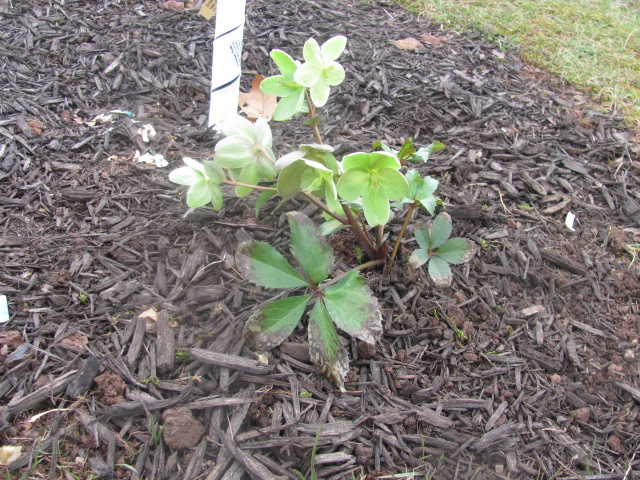
Helebore are a beautiful early spring flower. 
DO start planting some spring veggies. April 1st is really the safe time to plant cool weather crops but sometimes March will pull through and you can get salads a few weeks earlier. The worst case scenario is that you'll be out a few seeds. To increase your chances, plant in a cold frame. I plan on planting lettuce, spinach, carrots, peas and sweet peas this month. Keep you eyes on the forecast. 

DON'T use any pesticides outdoors unless you absolutely must and the packaging specifically says it will work when nighttime temps are below freezing. The vast majority of herbicides and insecticides will not work when it's this cold. Besides, the bugs aren't out yet to threaten you anyways. I'm not a fan of pesticides in general but in March they just don't make any sense. 

There's my list of dos and don'ts for you. What projects are you tackling this spring? Feel free to
comment below. 

Thursday, January 21, 2021

Grow Your Own Bouquets Part 1


Everyone loves flowers. Currently, it's January and I'm starved for their freshness and color. However, florist flowers can be pricey and most people can't afford to keep them on their table all the time. Growing your own bouquets is completely doable for even a beginner gardener assuming you have some yard and sunshine to work with. This is the first of 3 posts on how not just to grow flowers, but how to grow bouquets. We'll start with how to get started. 

First, choosing a good sight is the most important thing you can do to ensure gardening success. Many shortcomings can be over come but you MUST have lots of sun and soil must not be too water logged. Almost all annual flowers you can grow for a cutting garden will require at least 6 hours of sunlight per day in the summer. It's also essential you don't plant in a low depression where water collects as it will cause root rot. 

Second, get an idea of what kind of soil you have. You can either 1) get a highly detailed report from your local extension office for a nominal fee. OR 2) buy a DIY soil test and get an idea of what nutrients your garden needs and it's PH level. OR 3) You can make some general observations about your plants and dirt to give you clues of what you're dealing with. (What plants are already happy? What grows well in your neighbors yard? What color is your dirt? How loose is it?) I'm going to strongly recommend doing option 3 in addition to option 1 or 2. 

Third, if you can, locate your garden near a source of water. You'll be thankful in July and August when it's dry and your garden needs supplemental watering. 

Finally, when you're selecting varieties, be careful to plant flowers that will reach at least 24 inches tall. There are beautiful dwarf zinnias and marigolds but the stem length doesn't lend itself to cut flowers. 

You can find seeds in a multitude of catalogs or at any garden center in the spring. With a small investment and a little work, you can keep beautiful flowers on your table for months and also bless your friends and family. Stay tuned for the next two posts for plant ideas!

Saturday, September 5, 2020

Understanding Soil PH

 One of the most important bits of gardening advice I give people is to read plant tags at garden centers before buying anything. It's very good advice. If you've done this, you've probably read how some plants prefer acidic soil and you wonder what that means. Acidic soil is any soil with a PH less than 7. (If the PH is above 7, it is said to be alkaline). However, when a plant is said to like acidic soil, it usually means a PH of 6 or less. Most plants prefer a PH between 6 and 7.5 and you've probably been growing them just fine and haven't given it a second thought. However, there are some plants out there that will only ever be happy with a very low PH. 

Azaleas love acidic soil

How can you tell if you have acidic soil? There are three ways to tell. 

1)The least scientific is to just see what plants thrive in your yard already. My in laws have a yard full of rhododendrons and eastern hemlock so I"m fairly certain they have a lower PH than I do. 

2)You can get an at home chemical test or an electric meter to test PH levels. It still won't give you a precise measurement but it will get you in the right ball park. You can find one similar to mine here. 

3)To find out EXACTLY what's in your soil, you can send a sample (with a check) to your local extension office and they will send you a report on it. Every county is different so you'll have to see what your county extension office website says. I've never done this but all the experts recommend it. 

What plants grow in acidic soil? Well blueberries and cranberries for starters. As mentioned above, rhododendrons, azaleas and hemlock do too. Magnolias and flowers in the heather family also enjoy acid. 

Can you change your soil PH? Yes, but I don't encourage it. I've been trying FOR YEARS to grow blueberries and just getting ONE raised bed to a low enough PH has cost a lot of money, taken time and effort, and has brought pitiful results. You really are best off just embracing the type of soil nature gave you and choosing plants accordingly. 

It's always good to know what kind of soil you have so you can buy the right plants for you. Please take some time to know what you're working with so you can enjoy gardening success. Have any tips for soil PH? Please post in the comments below!

Wednesday, July 29, 2020

Water

As I write this post, we're in the middle of the hot, dry season here in south, central Pennsylvania. It's a time of year when all of us gardeners are very conscience of the necessity of water and making sure our plants are getting enough. Although some need it more than others and may get it in different ways, there is no plant on this Earth that can live without water. Understanding how water effects your garden is essential to garden success.
Idea for a future water feature? Just kidding, this is the Italian water
feature at Longwood Gardens. 

Those of us east of the Mississippi River tend to have plenty of water (July and August excepted) while those on the western side struggle greatly with drought issues. I only have experience gardening here in the east so things like Xeriscaping (landscaping for dessert and low water climates) is not my forte.

Here are some gardening hacks to help you with water in your garden.

First, as a rule of thumb, people tend to over water plants indoors and under water plants outdoors so be aware of your natural tendencies.

Second, few plants enjoy standing water so be sure all your plants have good drainage. You can do this by making sure there are holes in the bottom of any pots your are using and not placing your garden in an area where water tends to puddle up after a rain. If all of your property tends to be water logged, then you'll need to put in raised beds to encourage drainage. Standing water will rot roots and there isn't any way to fix a plant after that has happened.

Third, in hot weather like this, regular watering is essential. I water my window boxes every morning.  It helps to build your garden near your outdoor spigot to make hose watering easier.  A lot of professionals will encourage you to use soaker hoses or special watering systems to minimize water usage. It's a great idea if you want to invest the money into it. I haven't done so.

Fourth, your garden plants actually don't want to get their leaves wet as this can encourage mold and mildew. When you water plants, try your best to avoid the leaves and just soak the soil. 

Fifth, small trees and shrubs do best when watered deeply about once a week. If it hasn't rained in some time, I will take a 5 gallon bucket of water for each new tree or bush I have. After a few years, your plants will be well enough established that you shouldn't need to worry about it.

Sixth, know your soil type. Sandy soil drains much quicker than clay so if your soil is sandy, your plants may need more frequent watering. 

Finally, don't water your plants in the afternoon. The sun will just dry it out quicker. Joe Lampl, host of Growing a Greener World and the Joe Gardener Podcast, says the best time to water your garden is first thing in the morning before the dew dries off. 

I hope these tips help you understand water in your garden better. Lots has been written on the importance of water conservation but that's a whole different discussion. I could also do a post on water features or how water attracts wildlife but there isn't room here. Do you have any gardening water hacks? Feel free to share in the comments below.

Monday, July 20, 2020

Getting the Most Out of Your Tomatos

I am taking a slight break from my series of posts on the elements to bring some timely advice on tomatoes. Tomatoes have got to be the no 1 most popular thing to grow in gardens but they can be a bit tricky. As I"m writing this, it's getting towards the end of July here in PA. If you're growing tomatoes- in a pot, raised bed, or traditional garden -there are things you can still do to maximize your harvest. 

Let me be clear, it is too late to go buy plants and start growing them. Tomatoes require a fairly long growing period. So unless you go b

uy a fully grown plant in a five gallon pot (and that would be totally cheating, you might as well buy your tomatoes from the local farmers market which isn't a bad idea.) you can't start now. Try next year.

For those of you who are already growing tomatoes...

First, if you haven't already done so, mulch your plants. This accomplishes multiple things. It will keep the weeds down, help the soil to retain necessary moisture and will help prevent soil born diseases from leaching into your plants. Straw is a great mulch as is wood chips if you have them. This year, I'm using dried oak leaves from last fall. Dried out grass clippings work as well.

Second, all those juicy tomatoes require water. July and August tend to be rather dry here in PA  so I've been watering my plants about every other day. To help keep down fungus and mold, I only water the soil and not the plant.

Third, tomatoes are heavy feeders (they require nutrient rich soil) so side dressing (applying fertilizer to the soil around the plant, not on the plant itself) of fertilizer can be helpful however, an  over abundance of nitrogen will cause the plant to grow lots of leaves and not much fruit. An organic fertilizer heavy in phosphorus is your best bet. 

Fourth, there are way too many pests, diseases, and fungi that love tomatoes to get into all of them. Honestly, I think it's just a matter of time before all tomato plants get infected with something. Some of those problems come from the soil so I like to cut off all leaves from around the bottom of the plant. It won't hurt the plant and will delay fungal growth. 

Fifth, if you have insects on your plant, you can usually see them with some careful attention. Everything from horn worms (see picture) to tiny aphids. Bugs can either be picked off or sprayed off with a hose. If your leaves are spotting, or turning yellow or brown, then you might have a fungus or mold. You can use an organic spray on your plants but be aware that you wont cure the problem- just slow it down. I like to use Green Gold powder but it's hard to find in person. You can also use a copper fungicide which is much easier to find.

Growing your own tomatoes can be tricky but they are SO GOOD! What are your tricks to grow awesome tomatoes? Please write about it in the comments below.

Here are a few helpful links for further reading:
Joe Gardener Podcast on Tomatoes
Mother Earth News Growing Tomatoes


Tuesday, June 23, 2020

Earth

Arguably the most important element of gardening is earth - or soil (or dirt if you'd rather). I grew up in an area that had amazing top soil so I never had to think about it too much while gardening. However, once I moved to Pennsylvania, it was a different story. In both our last house and the current one, we have lots, and lots, and LOTS of clay. It is so far from ideal we've been fighting to improve it. But the quality of soil can make or break your garden. Below are two pictures of pink petunias. They came from the same pack of seedlings. One was planted in the clay soil and one was planted in the good soil of the window box. The differences are remarkable.

Good potting soil
Clay Soil
There is so much that can, and has, been written on the subject. I'll include some helpful links at the bottom of this post. My goal here is to get you thinking about it and give you a few essential pointers.

So, how can you get the best from your soil? Read on.

First, keep toxic chemicals out of your soil. This may sound like a no brainer but be careful to keep harsh pesticides, like roundup, oils, and even vinegar out of your soil. They can kill the good plants you want to keep and they kill worms and micro organisms that are beneficial.

Second, know your basic soil types and which one(s) you have. Clay is hard and has an orange color to it. I think we all know what sand looks like. Good top soil is a very dark brown and isn't too hard to work with.

Third, if you have really bad soil, consider raised beds. Then you can fill them with better quality soil from the garden center. We like to fill ours with a variety of things like shredded leaves, manure, compost and top soil. Mushroom compost is also awesome. We also add a general purpose, organic fertilizer occasionally.

Fourth, most experts suggest getting your soil tested to see what nutrients you really need to add. However, I've never done this as it seems like such a hassle.

Finally, as much as you can, keep your soil mulched. It will protect the soil from errosion, keep it wetter longer and encourage worms and such underneath. (Worms hate bare soil because it gets too hot).

I'll be honest, as important as soil is, I'm still probably not spending enough on making it as good as it could be. It's always a balance between cost savings and pay off in the garden for me. How is the dirt where you live? Feel free to write about it in the comments below.

Mother Earth News Build Better Garden Soil

9 Ways to Improve Your Garden Soil

Sunday, May 17, 2020

How To Choose A Plant

One of the questions I get the most often is what plant to choose for a given garden space. This time of year, folks are getting out of the house and wanting spruce up their curb appeal. I'm always happy to offer suggestions but anyone can make a few observations and then find an appropriate plant on their own. Here is what to pay attention to.

1. How big is the space you have to fill? If your garden bed is only 3 feet deep, then don't buy a plant that will grow to 10 feet wide. My pet peeve is seeing windows overgrown by bushes that are far too big for their space. Take measurements first!

2. How much light will the spot get? Be sure to watch the spot at multiple times a day, ideally at different times of the year. If you plant a cotoneaster in full shade, it will struggle horribly and planting hostas in full sun will burn them up by July.

3. What is the dirt like? Is it sandy, clay or somewhere in between? Does the soil tend to dry out quickly or stay wet?

4. What other plants are growing near by and are thriving? If you know what other plants are already happy, it will give you a clue as to what else will do well.

Once you've got this stuff written down, you are ready to head over to the garden center. I'm not against big box stores but in my experience, a garden center or green house will have better trained staff. You can choose to find someone to help or you can venture on your own. When asking for input, be sure to ask about ease of care. If you're not into regular pruning or spraying, be sure to get a low maintenance plant.

No matter what - read the tag on the plant you're interested in. Don't skip this step! When you bring the plant home, keep the plant tag somewhere for future reference.

What questions do you have about how to pick out a plant? Feel free to post in the comments below!

Wednesday, May 6, 2020

How To Plant Tomatoes

Probably the most popular thing to grow in a vegetable garden is tomatoes. Seriously, everyone asks me about tomatoes. The reason is that they taste SO MUCH BETTER than tomatoes in the store. People say that all the time about all kinds of plants but never is it as true as it is of tomatoes. So if you'd like to grow your own tomatoes, just read on.


First, you cannot direct sow tomato seeds into your garden. Not if you want any kind of a decent harvest. We don't have a long enough growing season. Therefore, you can either buy seeds and start them indoors in February or buy plants in April or May. I do the latter.

Second, tomatoes are warm weather plants that will not tolerate any kind of frost. Don't think you can get around this. If you plant a tomato and it frosts outside while it's unprotected, it will die. End of story. So don't plant out till after your last frost date. You can read about that more here. Speaking of warmth, tomatoes also need all the sun they can get. 

Third, prepare the ground by pulling out all weeds and any rocks. If you have poor soil (sand or clay, like me) then it's a great idea to add soil amendments like manure or compost to improve it. Tomatoes are called "heavy feeders" which mean they require more nutrients than more vegetables so I like to give them a sprinkle of organic fertilizer (not ON the plant, but around it) at planting and again later in the season.

Fourth, when you plant your tomatoes, be sure to dig a deep enough hole. Tomatoes are very unusual in that it actually helps them if you bury part of the stem. I usually plant them so the first adult leaves are right above the soil surface.

Fifth, tomatoes will require some kind of support. You can buy cages or stake them. I have cages. Also, don't buy the cheapest cages you can find because they'll just break. Tomatoes need to be kept off the ground to prevent fungus and diseases. Air circulation is very important.

Finally, I like to mulch them with straw or shredded leaves to keep weeds down and keep the soil uniformly moist which tomatoes love. Keep the plants well watered till they're established. 

Well, there you go. Anyone can grow their own tomatoes and it's such a fun and delicious hobby. Got tomato bragging to do? Tell me all about it in the comments below.

Thursday, April 23, 2020

Planting Seeds 101

So, it's one of my favorite times of the year, planting time! Actually, I start planting onions sets in mid March and keep planting stuff till tulip bulbs in November. But Early May is the time to plant lots of stuff! Before you go and start your garden this year, be sure to review some basics so you'll be off to a good start.

First off, a few definitions. If you hear the term "direct sowing" it means sowing seeds directly into the ground outside. That's what this post is all about. "Seed starting" usually means sowing seeds indoors to give them a head start. That's not what this post is about.

Secondly, you must prepare the soil before planting. Do not skip this or you'll regret it! You've got to be sure the soil is weed free ahead of time, and also pick out any rocks. You'll also want to break up the top two inches of soil so it's loose and easy for seeds to spread their roots. It also never hurts to add some soil enrichment's like compost, composted cow manure or mushroom soil. The better your quality of soil, the better your plants will be.

Third, when you go to plant your seeds, be sure to read the package directions. As a general rule, the larger the seed, the deeper it goes. However, it's always best to read the package. Small seeds like radish and lettuce can just be sprinkled on top of the soil and larger seeds like beans go a few inches down.

Fourth, always water after you plant unless it's about to rain. It's very important that you keep the top few inches of soil moist at all times for the first few weeks to keep the baby plants watered. Once the seedlings are about 4 inches tall, you can lay off a bit.

Finally, if you're planting what's called a "heavy feeder" (a plant that needs A LOT of nutrients to grow well) like corn, tomatoes or melons, then consider giving it an extra sprinkle of organic fertilizer to give it a great start. I like Espoma brand because it's easy to find in the stores and works for just about any plant.


That's really all there is to it. Even children can plant seeds. So don't be intimidated! You can grow a garden too.

Saturday, July 13, 2019

Why Bare Ground Is Bad for Your Garden

Even after years of gardening growing up, one thing that I never realized was bad for the garden was bare ground. What do I mean? When you clear all the weeds and plants in a section of garden and then leave it empty so you can see the bare ground.  Mind you, my hard, clay soil makes this abundantly obvious when it develops deep cracks as it dries out but even if you have great soil, it's still not good to leave it bare - especially in the summer heat. Here's why.


1. Erosion: Any soil amendments and fertilizer you've put on your garden bed are likely to wash away in a summer downpour.

2. Heat: Bare ground heats up quickly which repels garden helpers like worms and other beneficial microbes.

3. Compaction: Bare ground will bake and get really hard so when you do want to plant something, it will be very difficult. This is especially true if you have clay soil like I do.

So what should you do instead? You can help your soil by covering it up in one of the following ways:

1. Mulch: Put any kind of non-treated organic matter and dump it on your empty space of ground until you are wanting to use it again. Anything from straw and grass clippings to pulled weeds. Seriously, I've temporarily got a pile of dead pea plants piled up in a part of my garden where I plan on planting fall crops in another month. Couldn't be easier or cheaper.

2. Cover Crops: These are plants like clover or buck wheat that help build your soil and keep it cool and covered while you're not using it. You can find seeds for this at most garden centers.

3. Let the weeds go: The caveat here is that you cant' let them go so long they go to seed and get out of hand. Even then, it's still probably better to leave some weeds than to let your ground go completely bare for long.

Keep in mind that nature abhors a vacuum. The only time you see bare ground in nature is in a dessert and we certainly don't want our gardens to resemble that. So do yourself a favor and keep your garden covered as much as you can and it will greatly improve your soil over time.

Wednesday, May 15, 2019

An Update from My Yard

It's been some time since I've updated this blog with projects going on in my own backyard. As you might suppose for mid-May, it's been busy with lots going on. In the hopes it might inspire you in your garden endeavors, here's what I've been up to.

This past winter I spent probably too much time watching Monty Don videos on Youtube as he visited famous gardens all over the world. Consequently, I've decided to turn my vegetable garden into a French Potager. It's basically a productive garden with veggies, fruit, herbs and flowers that is also beautiful to look at. There's so much more to it than that but it'll have to be its own post.

It took a lot of effort but I finally got a large perennial bed put in on the east side of my house. Initially, I wanted to create a permaculture forest garden but it's not working out that way. It's very difficult to find plants that will tolerate wet, clay soil in partial shade. When I get this bed completely done, I'm going to share how I did it as a public service because it's not easy.

My strawberry plants and raspberry plants are looking awesome. If you're interested in growing strawberries of your own, check out this post. 

Because I planted garlic and perennial onions last October, they are looking fantastic now. I'm looking forward to harvesting them in July.

I was able to get all my veggies in but I'm still having trouble with my cucumbers and watermelon not sprouting. Don't feel bad if some of your seeds don't sprout - it happens to all of us. All you can do is follow the instructions on the packet and wait.

Now is a great time to plant all kinds of summer veggies and flowers. Get out this weekend and enjoy your garden!