Showing posts with label saving money. Show all posts

Tuesday, November 15, 2022

Easiest Home Grown Groceries for Storage

 Recent price increases at the grocery store have many people contemplating growing their own food to off set costs. Here in zone 6b, I can reliably have fresh food in the garden from June till, well, about now. However, if you want to grow food for winter, then you're looking at food preservation. Normally, this brings to mind either a large freezer or shelves of home canned food. However, there are several kinds of food you can store for months without a freezer or a canner or even a dehydrator. So if you want to start preserving your own food next year, here is the best place to start. 

Trail of Tears Black Beans


First: The Allium Family

Alliums are all kinds of onions: green onions, bunching onions, leeks, garlic, shallots etc. I've had great success with storing onions and garlic by just curing them (brushing the dirt off of them and hanging them to dry for a few weeks out of the sun) and keeping them in the basement. So easy. This year I learned that leeks can be harvested in the fall, sliced at about a quarter inch thick and then air dried. Again, so easy. Now I have lots of onions in storage. 

Second: Dried Beans

Admittedly, this is our first year growing dried beans but we are hooked. My husband grew Trail Of Tears black beans and really enjoyed the experience as well as gathering a considerable harvest. Shelling the beans takes time but you can always do it while watching tv and then they store in the basement for months. It's so simple. 

Third: Winter Squash

Pie pumpkins of all kinds, as well as any kind of winter squash (butternut, acorn, turks turban, etc...) just need to be cured out in the sun for a few weeks before placing them in storage. So yummy! Many will keep for months in the basement. 

Fourth: Herbs

So admittedly, this one isn't as impressive but many herbs such as thyme, oregano, dill and chamomile will air dry on their own and add flavor to your food all winter. 

Fifth: Potatoes
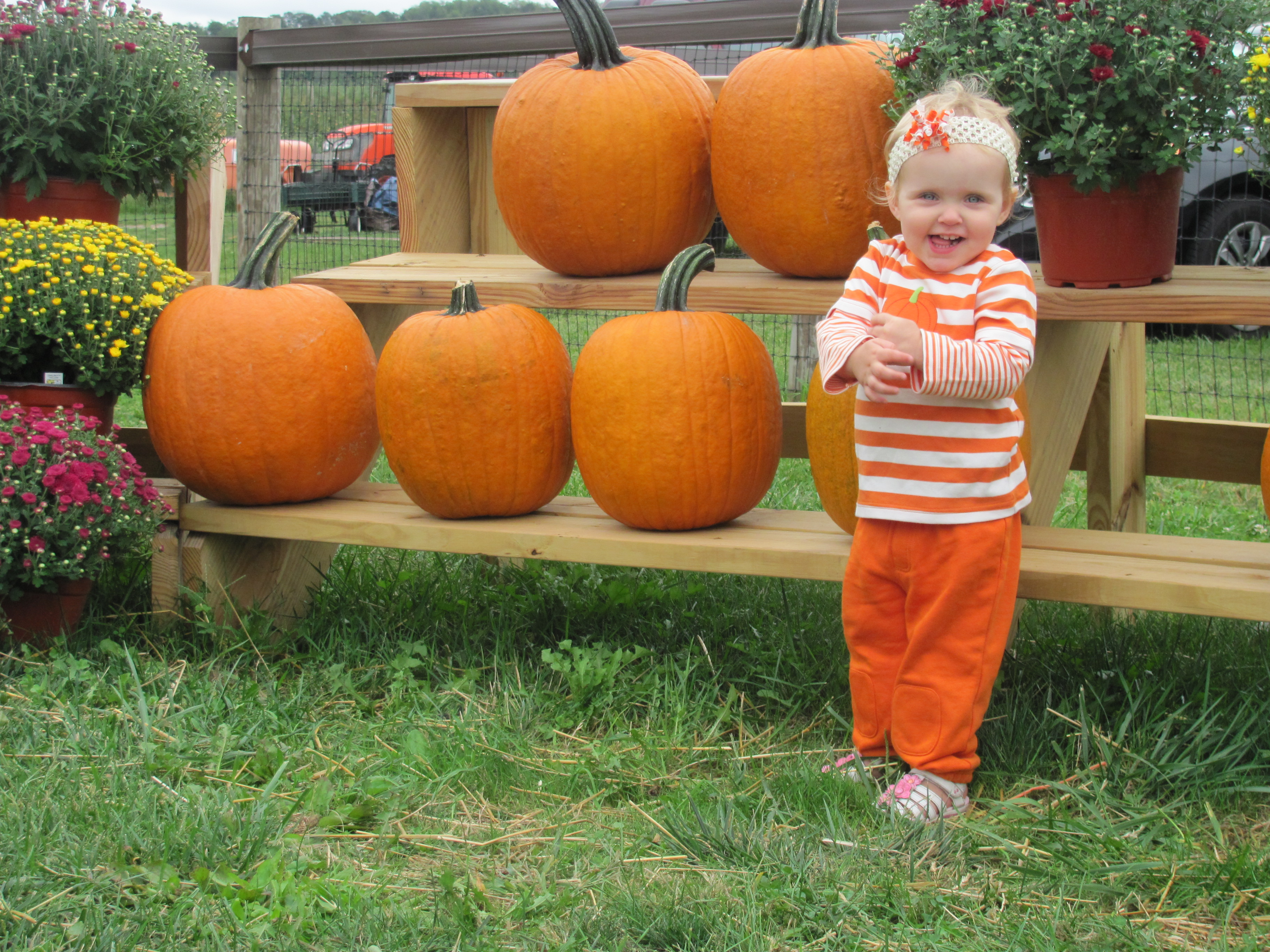
Pumpkins store well. 

So, I've not grown a lot of potatoes as an adult due to lack of space although I have plans for next year. However, growing up, we would save a large bin of potatoes in the basement for months enjoying them most of the winter. 

The most important thing with all of these vegetables is to keep them in  a dark cool place with NO WATER. Water will cause molding quickly so dryness is key. That's it really. You can absolutely do this yourself. 

Do you grow food for storage? I'd love to hear about it in the comments below!

Sunday, September 13, 2020

Seed Saving for Newbies

 Starting with a bit of honesty here, I'm not the expert on seed saving. There are folks out there who've been doing this for decades with all kinds of success and variety. That's not me. Yet. However, if you're wondering about maybe trying a little yourself, I can share with you some good ways to get started. 

Why should you save seeds? I partly do it as an activity with my daughter Hannah. It's a good educational project to learn about plant biology. I partly also do it to save money. Saved seeds means I don't have to buy more next year. Finally, if you do this over time, the plants will actually start to acclimate to your specific climate and soil conditions making them perfect for you. I haven't been doing it long enough to enjoy the last benefit but we'll get there. 

Please note that all seed saving is best done with heirloom plants. It has to do with how long that variety has been around. Seeds from hybrid plants will probably germinate for you but the flower or fruit may not look like what you expect. You can tell if an plant is heirloom (or open pollinated) from the seed packet you originally bought. 

My excursions into seed saving have centered around vegetables and flowers. First, if you've grown


peas or beans this year and the plants are still out there in the garden somewhere, then you might have some great seeds outside waiting for you. Just look for any old, dried pods that you didn't get around to pick. Open the pods up and separate out the seeds inside (see picture). 

With flowers, I enjoy saving zinnia and marigold seeds the most although my daughter is saving 4 o'clock seeds this year too. Leave a few flowers on the plant until they turn brown and dry and then pluck off the heads. You'll find the seeds under where the petals used to be (see the other picture). 


When storing seeds, note that moisture is your worst enemy. I keep the seeds out on trays till they are 100 percent dry and then store them in a sealed jar in the basement. Next spring I'll be ready to go. If you're interested in more information on this subject, I"ll include some links below. Do you do seed saving? I'd love to hear about it in the comments below. 


A Garden Guide to Save Seeds

How To Save Seeds

Monday, January 29, 2018

The Basics of Winter Sowing

This topic is rather exciting for me because I think it will be so useful for many of my friends. Most of the people I hang out with don't have a lot of time and energy to put into gardening, enjoy doing projects with their kids, and would like to save a few bucks. Winter sowing, in theory at least, can accomplish all three of these things.

Having somewhat limited space with a baby, a cat, and a toddler (I have a husband too but he would leave my plants alone) makes seed starting an impossibility. Also, the cost of special lights, trays, soil, warming pads and any other equipment makes seed starting way more costly than just buying plants at the nursery in the spring. However, if you can do direct seeding outside then it's much cheaper than buying plants. Winter sowing is a way to put these methods together.

Here are the basic steps.
1. Get a few plastic jugs such as milk cartons and cut three sides of the container so you can "hinge" it open at 3-4 inches from the bottom. You MUST put holes in the bottom for drainage. Otherwise your seeds are toast.

2. Fill the bottom 3 inches or so with soil. I used Miracle Grow Seed Starting Potting Soil because that's what I had on hand. You can use any decent potting soil. (One website I read suggested peeing on dirt to add nitrogen. You can try that and let me know how it goes.)

3. Thoroughly water the soil and let it drain a bit. Then plant 3-6 seeds in the soil and be sure they are covered.

4. Duct tape the container back together and leave the cap off for ventilation.


5. Set the containers outside in the sun. Don't heat them or protect them. Do this soon, after February it will be too late.

6. Forget about them! Let nature take it's course till the plant is big enough in the spring to be transplanted.

Pretty easy huh? Winter sowing is also a great project to do with your kids. If it works well this year, then this will definitely become part of my new gardening routine. Have you tried winter sowing? Please post about it in the comments below!

Wednesday, May 10, 2017

Cheap Ways To Attract Birds To Your Yard

In writing this post, I'm supposing that everyone already knows the benefits to having birds in your yard - they eat bugs, they're indicative of a healthy eco system and they're just so fun to watch. You don't need to be convinced to attract birds but you may wonder how to do it without breaking the bank. Recently, I stopped by a specialty store just on bird watching but it was so incredibly expensive that I didn't buy anything. Apparently, lots of rich people enjoy birds too. However, if you are not one of them, then this post is for you.

Feeding

Gold finches on cone flowers.
The first thing people think about to attract birds is to put a feeder out. However, you can spend lots of money on a feeder and then spend tons of money keeping it full. It may surprise you to know that I only have two small feeders in my yard with no intention of putting up more. A small suet cake feeder can cost you only a few bucks and I don't spend more than $1 per refill. Despite it's size, I've seen large and small woodpeckers on it as well as chickadee's, titmice, nuthatches and many more birds. The other feeder I have is a small humming bird feeder that cost only a few dollars and the refills I can make myself.

You can, of course, make your own bird feeder out of anything from a milk carton to wood, to whatever strikes your fancy. You can also grow your own bird food. Sunflowers grow readily from seed and perennials like thistle and cone flowers attract many birds with their seeds.

Water

Unless you are lucky to already have a water feature of some kind in your yard, then adding a bird bath is a great way to attract more birds. My big advice here is to wait for sales or clearance items. Don't buy anything cheap that will blow away in the next storm. I recently found a great bird bath for only $23 on clearance. Of course, it's a one time purchase that can attract birds for years to come. You'll want to put it out someplace near your hose to make is easy to keep filled.

Housing

Bird houses come in all shapes and sizes but a simple, sturdy bird house doesn't have to cost more than $10 and will last for years if you clean it out during the winter. Bird's don't need anything cutesy, just the right size and shape. Perhaps that's a great post for the future...

Plants

By far, the biggest thing you can do is install bird friendly plants. Almost any plant can provide great nesting spots, protection from predators and shelter from storms. Keep in mind that evergreens will provide cover for birds all year round. Some plants, like holly's and other bushes with berries will also provide food. What I love about these plants is that you buy them once and they live for a long time. If you focus on buying native plants, then you will increase the likelihood that they will succeed in your yard.

Avoid Pesticide

Ok, so this picture wasn't taken in our yard. Ha!
Any kind of pesticide or harsh chemicals put on your yard or garden will drive away any kind of wildlife. Your efforts to create an organic, natural environment will result in birds feeling comfortable in your yard.

So, that is my whole approach to attracting birds. Have you had success or failure in your attempts to watch birds at home? Feel free to post about it in the comments below.


Wednesday, February 22, 2017

Why You Need to Grow Your Own Raspberries


If you have any yard at all, even a really small one, then I want to convince you to start growing raspberries. At our last house, I stuck a few raspberry roots in clay soil in a narrow section of lawn behind our shed. They got full sun until about 1pm when the shed put them in full shade. Despite this, they absolutely thrived. In one little patch I had enough delicious raspberries for fresh eating, pancakes, muffins and smoothies and I froze a gallons worth for future cooking. Why should you grow raspberries?

First, and most obviously, they are delicious. Seriously, if you've never had fresh raspberries from the garden, then you're missing out. They are SO GOOD.

Second, raspberries are quite expensive at the store or farmers market. The national average for a pint of fresh raspberries right now is $4.78. We can't ever afford them unless we grow them. If you want to garden for financial purposes, then growing raspberries is a good idea.

Third, raspberries are so easy. I planted the roots in the ground and spent maybe a grand total of 5 minutes keeping the weeds down the whole year. In the winter, I cut down the canes to about 12 inches. That's it. That is all I did. That and pick a bunch of delicious berries.

Have I convinced you yet? As I said, raspberries tend to be sold as roots. You can order them from any number of catalog nurseries (mine came from Gurneys) or from your local garden center. Here in PA, you'll probably plant them some time in March or April. I grew "Heritage" raspberries at the old house and plan on planting them here at the new place as well. As resilient as they are, raspberries will need some sunlight and a well drained location.

One word of caution, bramble roots (raspberries and such) can spread vigorously. Mowing keeps them in check but don't plant them along a fence unless your neighbors want raspberries too. I made the mistake of putting strawberries in next to the raspberries and had to pull a lot of raspberry shoots out of the strawberry bed. Our new location will be along the back of the shed away from other yards and gardens.

You can do this! For less than $20 you can have tons of delicious fresh berries in your yard. Have you grown raspberries before? Feel free to share in the comments below.

Wednesday, February 15, 2017

How to Grow and Eat Herbs for Beginners

In my previous post about saving money gardening, I listed growing herbs. If you haven't tried cooking with herbs, then you are in for a treat. Herbs are a great way to add loads of flavor to your food without adding any sugar, fat or preservatives. What would Italian food be without basil? How boring are chicken and potatoes until you add some rosemary? Herbs can have non-culinary uses but for this post, I'm going to focus on their benefits to your dinner plate.

How to Grow Herbs


You can think about growing herbs in three major categories (this is NOT official, it's just how I think about herbs after growing them for several years. I think it's a great place to start for beginners): perennials, annuals from seeds and annuals from plants. Yes, some of these are actually biennials and yes, I'm leaving lots out but this is a great place to start.

Perennials are plants that come back every year on their own. You can establish a perennial herb garden or mix perennial herbs into your flower beds. In general, perennial herbs don't need rich soil, just lots of sunlight and good drainage. Here in zone 6 (central PA), some great perennial herbs are sage, thyme, oregano, chives, mint and lemon balm. All of these are easiest grown from plants.

Annuals are plants that need to be planted new every spring because the winter chill kills them. Some of them, like basil, parsley and dill I don't mind because you can buy inexpensive seeds and grow them right in your garden with the veggies.

Other annuals are nearly impossible to grow from seeds so you should buy plants. Buying plants costs more but I just can't live without rosemary so every spring I suck it up and buy more plants. Marjoram is another fun annual that requires buying a plant every Spring. Like perennials, annual herbs also don't require much from their soil but they do need lots of sunlight and good drainage.

How to Cook with Herbs

You're not going to find this in any book, but I tend to think of eating herbs in three different ways. Obviously, there is some crossover and I'm leaving a lot out but if you're not used to cooking with herbs, this is a good beginning. Fresh herbs can get expensive at the store but when you're growing them yourself, you can afford to be generous with herbs in the kitchen.

Italian Herbs: basil, oregano, marjoram, and parsley. If you're making pasta or pizza or nearly any other Italian dish, these will work well with the dish and with each other.

Savory Herbs: thyme, chives, rosemary, and savory. Any kind of potato, chicken or pork dish will taste much better with these delicious plants.

Drinking Herbs: mint, lemon balm, spearmint, or chamomile. Yes, you can grow and dry any of these herbs to make your own home made tea, or lemonade, or mint juleps, or whatever. yum!

For more information, I highly recommend "Your Backyard Herb Garden" by Miranda Smith. The book is thorough and the illustrations are very helpful. Are you an herb gardener? Please comment in the section below!

Wednesday, February 8, 2017

Save Loads of Cash on your Salads

So, in my initial post on saving money, my first suggestion was to grow loose leaf lettuce. Why? Because organic lettuce can cost you $9 a pound easily and if you don't eat it all quickly enough then you'll be throwing some of it out. Any beginner gardener can grow their own lettuce from seeds and pick the leaves as needed so there isn't any waste. I've grown all the lettuce my family needs for six months one year from a $3 pack of seeds. Here's a few things to keep in mind.

First, you'll need to prepare your garden or container (did I mention you can grow lettuce in containers on a deck or patio?). Lettuce isn't too picky so just be sure your soil is decent and loosened up. You don't need to buy plants at the garden center, lettuce is super easy to grow from seeds. I recommend buying a packet of seeds with a mix of different kinds of loose leaf lettuce. Loose leaf means that it doesn't grow into a head like iceberg lettuce does. This is a good thing because with head lettuce, you just pick it once and it's done. With loose leaf lettuce you can cut off leaves as you need them. My favorite is the Rocky Mountain Mix from Baker Creek Heirloom Seeds but you can find seed mixes at any garden center.

Second, lettuce is a cool weather plant. It doesn't like to be hot. Here in central PA, I can directly plant lettuce seeds into the ground on Saint Patrick's Day as long as I plant them in a raised bed with lots of direct sunlight. That's right, mid-March; a full two months before the frost-free date. I can start harvesting lettuce by the end of April through the end of June. Then, I plant more in August so I can harvest it from Sept through November. Just plant a bit more every few weeks and realize that you probably won't get any in July and August due to the heat.

Third, when planting, just scatter the seeds on top of the soil or give it a light covering. Then keep the soil moist till the plants are established.

Finally, I mentioned above that I recommend getting a seed mix. Certain varieties of loose leaf lettuce can taste rather bitter on their own, such as escarole or arugula. If you get a mix, then you'll get a nice variety of flavors.

Have any of you grown lettuce before? Please comment about it in the section below!

Wednesday, February 1, 2017

The 3 Best Ways to Save Money Gardening

So, lots of people get into gardening to save money on groceries only to find out you can spend LOADS more money growing your own food. Now, there are lots of great reasons to get into gardening besides saving money: exercise, fresh air, therapy, quality time with family, organic fresh food, etc. However, most of us need to pay attention to our budget. So, if you're thinking about getting into gardening, here are the three things you should start with. I'll give you an over view here and then go more in depth in future posts.

First: Loose leaf lettuce. Organic lettuce can easily cost $9 a pound at the store. You can grow your own loose leaf lettuce from seeds. I've grown all the lettuce we needed for six months of the year from a $3 seed packet. Here in central PA, you can direct sow lettuce seeds into soil at St Patrick's Day and enjoy it into late June when it will get too hot. Then, start planting again in August and enjoy your lettuce till almost Thanksgiving. Lettuce likes cool weather. Sow more seeds every two weeks to enjoy a continual harvest.

I also love it because there is much less waste. Haven't we all thrown out old lettuce? If you grow head lettuce (like iceberg or romaine) then you harvest the head once and you're done. With loose leaf lettuce you can just go out and clip what you need for the next day or two and none is wasted. Just don't harvest more than 50% of the leaves off of any particular plant at one time.
Image is of part of the herb garden at Mt. Vernon. George Washington knew what he was doing. 


Second: Fresh Herbs. Cooking with fresh herbs is so delicious but having to buy them at the store can really add up. Start by developing your perennial herb garden. Perennial means they will come back every year. In Pennsylvania, you definitely need to include Chives, Oregano, Thyme, and Sage. Plant them in a hot sunny, well drained area and enjoy for years to come. After that, try growing herbs from seed like Basil, Dill and Parsley. Your cooking will be fabulous!

Third: Raspberries. All berries are really delicious, really good for you, and really expensive. Even pick your own berries in season are pricey. What to do? Grow your own. Now, growing any berries will save you money but in my experience raspberries are the easiest. I just spent $12 for three bare root plants and I will harvest tons of berries for many years to come. This also goes for black berries or any other kind of "bramble". I've had great success with "Heritage" raspberries.

How about you? How have you saved money on groceries by gardening? I'd love to hear about it in the comments below.

Thursday, November 17, 2016

Gardening in November

November is probably my favorite month of the year. As much as I LOVE Christmas and Spring time, there is just something about the quietness of November that makes me feel peaceful. All the craziness of autumn harvesting and Halloween is over and the insanity of the holidays hasn't kicked in yet. When it comes to gardening, however, November is pretty laid back. Since we moved this summer, I don't have a lot of harvesting and preserving to do. Here are a few of my small projects I've been working on.

1. Raking up leaves and putting them on the garden beds. My one year old has been helping me by carting leaves in her little garden cart. So adorable! Because our only tree is a Sargent Cherry with small leaves, I haven't worried about shredding them with the lawn mower. Don't waste your leaves by throwing them away, flower beds and vegetable beds can use a warm blanket of leaves during the winter. I've been piling them up over my garlic bed, herb bed, and the berry beds.

2. Plotting out my garden beds for spring and smothering the grass underneath. Fall is the best time to make plans for next year. Also, keeping grass out of your garden can be a pain. It's a lot easier to cover the ground with a tarp, cardboard, and/or grass and leaf clippings in the fall and kill the grass underneath.

3. Foraging for walnuts. Our local township park has two large walnut trees that sit unappreciated. My daughter helped me look around and collect a couple buckets full of walnuts. My mom has been growing and harvesting them for decades.

4. Planting spring bulbs. At first, I planned on planting tons of spring bulbs but finances are tight so instead I planted one bag of crocus bulbs and plan on buying one bag of bulbs per year. It'll be fun to see how they thrive in the years to come.

What about you? What have you been doing in your garden this November? I'd love to hear about it in the comments below.

Tuesday, November 8, 2016

Three Principles For Frugal Homesteading

Simple, country living holds a lot of appeal. Who doesn't want peace and quiet, open space, and simplicity? However, if you're watching HGTV, it might seem that buying a home in the country and getting established is going to cost a pretty penny. Don't be discouraged! In many ways, living in the country is cheaper than the city: no HOA's, lower cost of living, fewer taxes, etc. If you're already enjoying the good life (in the country) or just thinking about it, here are three principles you need to embrace to afford the life style you want.

Patience: When it comes to gardening, I always say you can be patient or you can be rich. For instance, when I bought a few bushes recently, I could get the small size for $9 each or the next size up which were $45 each. Guess what? We're going to have to be patient while waiting for the bushes to grow. Seeds are cheaper than plants. Fruit trees take time to grow and bear fruit. We're not rich, so we have to be patient. Frankly, my favorite gardens are the ones built and developed over time anyways, not the squeaky clean ones that got installed professionally in a weeks time. Embrace patience.

Community: I touched on this in a recent post. Wealthy people can afford to hire professionals to do their work. They can also buy anything new when they want it. Not so much with us. We needed help moving and painting. Friends and family and lent us tools, shared plants with us and gave us materials they had but didn't need. When needed, we're happy to help them out in return. In time, I look forward to dividing perennials with others and being able to share from our homestead. In order to afford a rural lifestyle, you really need to be part of a community.

DIY: We can't always just afford to go buy what we want or need so we've embraced a spirit of Do It Yourself. If we can build it, paint it or create it ourselves, then we do. It is so much cheaper. Aside from the savings, it also gives our home more meaning and uniqueness. If you don't have a particular skill, then maybe you can get someone to help you in exchange for helping them out. My mother in law has made beautiful curtains for our home which is great since sewing isn't my thing (yet). In return, I've helped her out in the garden. Learning how to do things yourself is a huge part of homesteading.

What are some philosophies or principles you embrace to enjoy living in the country? I'd love to hear about it in the comments section below.

Sunday, August 23, 2015

How To Save Money on Wedding Flowers

Congratulations on your engagement! After all the excitement of the proposal and announcements,
you'll need to start planning the big day. Unless your last name is Trump or Rockefeller, you're probably on a budget and that's true for flowers as well. However, enjoying beautiful, fresh flowers at your wedding isn't just for the wealthy! Here are some tips to stick to your budget while still having a beautiful wedding.

1: Prioritize. For most brides, the bridal bouquet is the most important floral piece and will appear in the most photographs, so that is where you want to put your money. Perhaps the church flowers or corsages aren't quite as important to you. Everyone is different. The point is, put first things first.

2: Be Seasonal. Love Peonys? Great, then get married in May. Otherwise you could pay upwards of $30 a stem. Is your heart set on a fall wedding? Then Dahlias, sunflowers and mums are a good call. Buying flowers in season will not only save you loads of money, they will also look better too. Some flowers, like roses or orchids, are readily available year round.

3: Rent Your Centerpieces. Many florist shops have their own vases you can “borrow”(for a small fee) for your special day and then they will come and pick them up afterwards. You only have to pay for the flowers. Also, keep in mind that a single, large flower like a stargazer lily or hydrangea can look beautiful in a globe vase for a fraction of the cost of a traditional centerpiece.

4: Try Alternate Centerpieces. It's really the reception flowers that run up your flower bill. $60 for a lovely floral centerpiece sounds affordable till you realize you have 20 tables and they now cost $1200. So perhaps potted plants or candles would be a better option.

5: Get Double Use. Assign a friend or relative the job of transporting the church flowers to the reception after the pictures so that you can continue to enjoy them at the reception hall. Just be sure the church isn't expecting the altar flowers to be there on Sunday morning.

6: Mix It Up. Love roses? Great! But if you insist on all roses, everywhere then you're going to pay a pretty penny for them. Consider mixing your favorite, more expensive flowers (i.e. roses, orchids, calla lilies, etc) with less expensive flowers. My favorite roses are a warm lavender color. When I got married I mixed them with purple alstromeria and lime green hypericum to great effect.

7:Schedule Wisely. Want to save big money? Don't ever get married close to Valentines' Day, Mother's Day or Christmas. The cost of flowers goes way up at those times (not to mention the cost of everything else) so avoid that as much as possible.

8: Shop Around. Check out several florists on line and visit their shops. Have a sit down visit with at least a few different florists to see what they charge as well as how pleasant they are to work with. (Be sure to call ahead to schedule a meeting!)

9: Hire a freelance florist. Not looking for a boat load of flowers? Perhaps flowers aren't your biggest priority and you just want something fresh and lovely? Consider hiring a free lance florist. Not having to pay for a full time store and gift shop can keep their costs very low, just be sure to hire someone who knows what they're doing. I've been to a few weddings where they had beautiful flowers put together by someone who obviously didn't know how to arrange flowers.

10: Hire Me! If you're having an event in the greater Harrisburg, PA area and are looking for affordable, fresh flowers, then be sure to check out my website at www.thefrugalflorist.blogspot.com. I'd love to put my experience and creativity to work for you!